
Breaking the Cycle: How to Recognize and Heal Generational Trauma
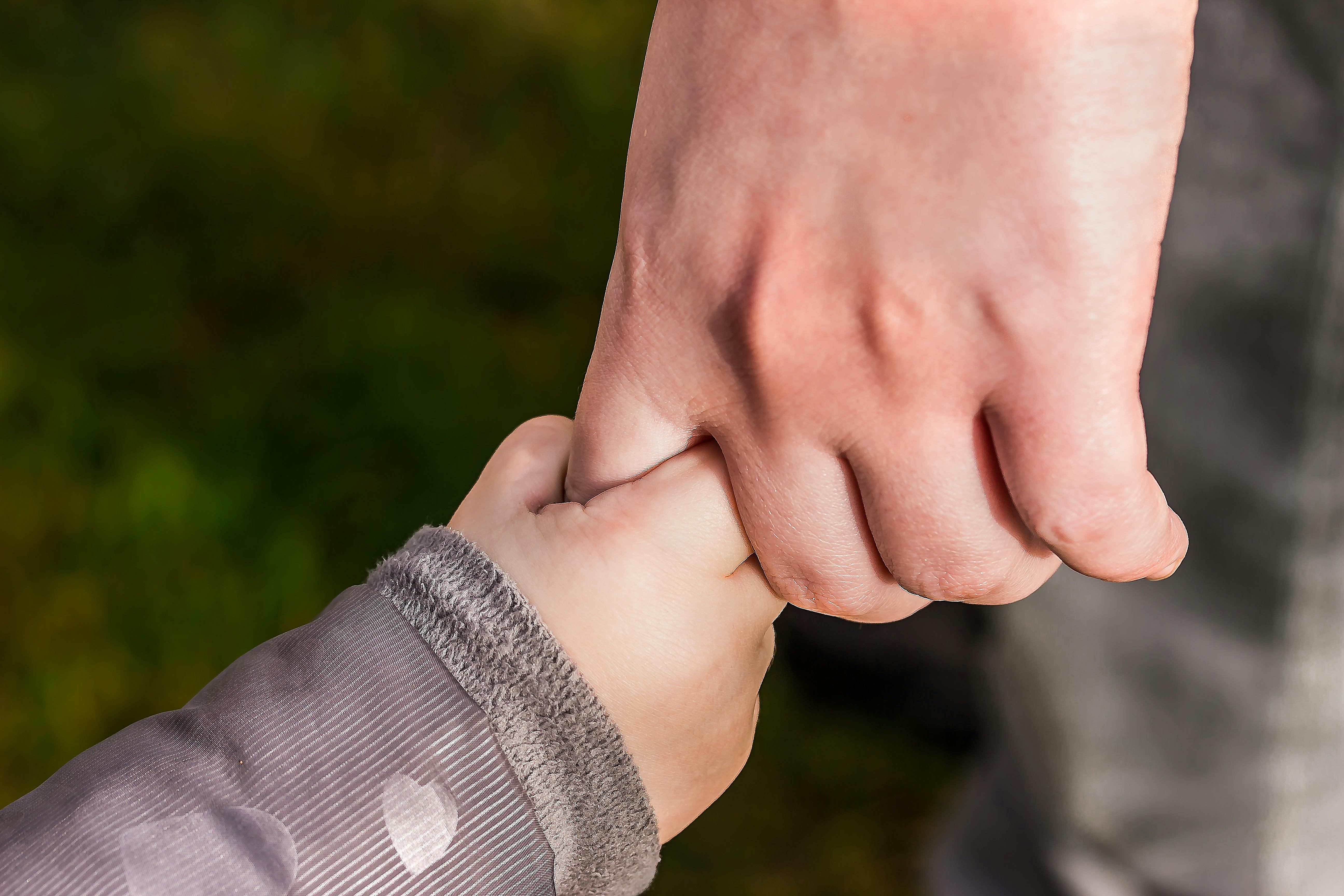
There's a pattern that shows up in my office again and again. A client sits across from me, describing a way of thinking or behaving that causes them real pain — anxiety that feels bone-deep, difficulty trusting others, a tendency to silence their own needs — and at some point they'll say something like: "I don't know why I'm like this. My parents were the same way."
That sentence carries more weight than most people realize. What they're often describing is generational trauma — and it is one of the most underrecognized forces shaping how we experience life, relationships, and ourselves.
What Is Generational Trauma, Really?
Generational trauma — sometimes called intergenerational or transgenerational trauma — refers to the way trauma experienced by one generation gets passed down to the next. This can happen through learned behaviors, altered parenting styles, family dynamics, and even, according to emerging research, through epigenetic changes in how genes are expressed.
It's not a sign that your parents failed you. Often they were doing the best they could with wounds they didn't even know they carried. But when trauma goes unhealed, it doesn't just stay with the person who experienced it. It ripples outward.
"Trauma is not what happens to us, but what we hold inside in the absence of an empathetic witness." — Dr. Gabor Maté
How Generational Trauma Shows Up in Daily Life
Generational trauma doesn't usually announce itself. It tends to show up quietly, in patterns that feel normal because they've always been there. Some of the most common signs include:
- Chronic anxiety or hypervigilance — always waiting for something bad to happen, even when things are fine
- Difficulty trusting others — even people who have given you no reason to doubt them
- Emotional numbness or disconnection — struggling to feel or express emotions freely
- People pleasing and conflict avoidance — learned as survival strategies in unpredictable environments
- Shame that feels inherited — a deep sense of unworthiness that doesn't trace back to any specific event in your own life
- Patterns that repeat across generations — relationship cycles, financial struggles, addiction, emotional unavailability
The Cultural Layer
For many of my clients — particularly those from Latine, Black, and immigrant communities — generational trauma intersects with collective and racial trauma in profound ways. Colonization, displacement, systemic racism, and cultural suppression don't just affect communities at large. They shape family systems, communication styles, and how parents teach their children to move through the world.
When someone tells me they were raised not to ask for help, or that therapy was seen as weakness, or that expressing emotions was discouraged — I hear the echo of generations learning to survive in environments where vulnerability wasn't safe. That's not dysfunction. That's adaptation. But those adaptations can outlive their usefulness, and healing means learning which of those patterns you want to keep and which you're ready to release.
What Does Healing Actually Look Like?
Here's what I tell my clients: healing generational trauma is not about blaming your parents or rewriting your past. It's about increasing your awareness of the patterns you've inherited, understanding where they came from, and consciously choosing which ones serve you moving forward.
Some of the most effective approaches I work with include:
- Trauma-informed therapy — working with a therapist who understands how trauma lives in the body and how to process it safely
- Somatic work — because trauma isn't just a thought, it's a physical experience stored in the nervous system
- Family systems exploration — understanding the larger patterns in your family across generations
- Narrative reframing — learning to see your story with compassion instead of shame
- Building new patterns — consciously practicing different ways of responding, relating, and being
The Most Important Thing to Know
Generational trauma can be healed. The cycle can stop with you. And you don't have to do it alone.
Many of my clients come in carrying shame about the very things that, once we understand them, turn out to be completely understandable responses to circumstances they didn't choose. Healing begins the moment you decide to see yourself — and your history — with curiosity instead of judgment.
If any of this resonates with you, I want you to know: there is a path forward. And you deserve support in finding it.
Ready to explore how generational trauma may be showing up in your life? A free 15-minute consultation is a no-pressure first step. Book through Calendly or reach out directly — I'd love to connect.