What No One Tells You About Postpartum Depression — And How to Heal
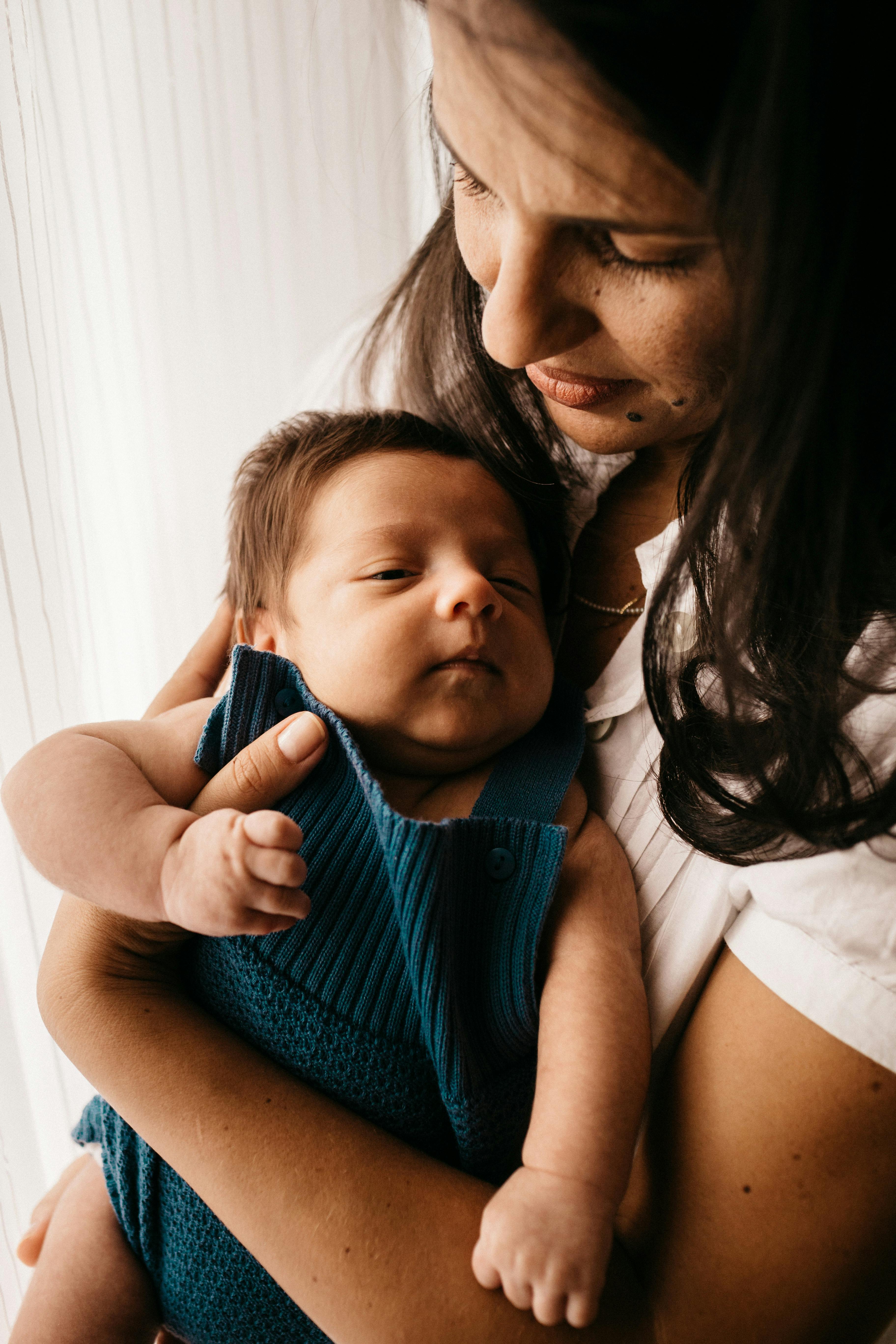
You were supposed to feel overjoyed. Everyone told you this would be the happiest time of your life. But instead, you feel disconnected, irritable, overwhelmed, or like you're going through the motions of being a mother without actually feeling present in it.
If that sounds familiar, I want you to hear this clearly: there is nothing wrong with you. What you may be experiencing is postpartum depression — and it is one of the most common, most misunderstood, and most treatable conditions I work with.
It's Not Just "Baby Blues"
Almost every new mother experiences some version of the baby blues in the first week or two after delivery — tearfulness, mood swings, exhaustion. This is normal and typically resolves on its own.
Postpartum depression is different. It's more persistent, more intense, and affects your ability to function and connect. It can begin within weeks of delivery or develop gradually over the first year.
Postpartum depression affects approximately 1 in 5 new mothers. It is not a reflection of how much you love your baby or how capable a mother you are.
What Postpartum Depression Actually Looks Like
The image of postpartum depression as uncontrollable crying doesn't capture the full picture. Here's a more complete look at how it can show up:
Persistent sadness or emptiness
Feeling low most of the time, even when things seem fine on the surface.
Anger or irritability
Snapping at your partner, feeling rage that feels out of proportion, difficulty tolerating normal stress.
Difficulty bonding with your baby
Feeling detached, going through the motions without emotional connection.
Overwhelming anxiety
Constant worry about your baby's safety, intrusive thoughts, inability to relax.
Exhaustion beyond normal newborn tired
A bone-deep depletion that sleep alone doesn't fix.
Loss of identity
Feeling like you've disappeared into motherhood and don't know who you are anymore.
Why It Happens
Postpartum depression is caused by a complex mix of hormonal shifts, sleep deprivation, identity upheaval, and — for many women — a profound mismatch between what they expected motherhood to feel like and what it actually feels like. Add in cultural pressures to appear grateful and joyful, and you have a recipe for suffering in silence.
For Latine women and women of color, there's an added layer: cultural messages that equate asking for help with weakness, or that frame suffering as something to be endured quietly. This is one of the reasons I'm particularly committed to this work — I see how these messages keep women from getting support they deserve.
What Healing Looks Like
Postpartum depression responds well to treatment. Most women see significant improvement with the right support. Options include therapy (particularly trauma-informed and CBT approaches), medication in some cases, peer support groups, and practical help with sleep and daily functioning.
In my work with postpartum clients, we focus on three things: creating space where you can be fully honest about your experience without judgment, rebuilding your sense of self alongside your identity as a mother, and giving you concrete tools to regulate your nervous system in the trenches of new parenthood.
You don't have to pretend you're okay. And you don't have to do this alone.